

Interest in visual self-care therapies has increased considerably, with platelet-rich lcd (PRP) procedures pulling interest beyond skilled settings. New dermatology surveys indicate a regular rise in home-based aesthetic solutions, prompting renewed give attention to safety, health, and evidence-based protocols. The growing need for PRP facial procedures features the significance of knowledge scientific risks, preparation standards, and post-treatment care to decrease complications.
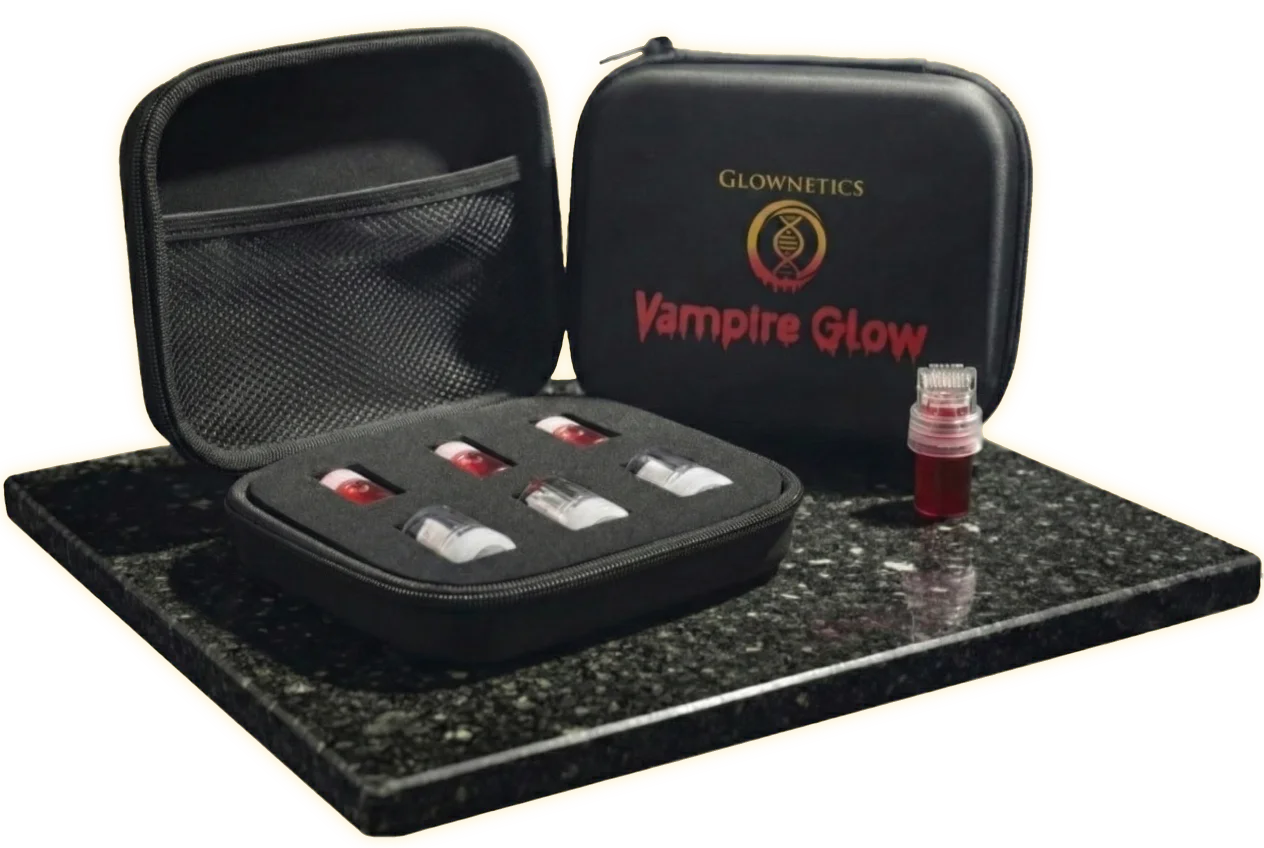
What Safety Criteria Should Be Used?
Medical protection information implies that PRP procedures require rigid sterility to avoid infection. At-home customers should assure all tools are medical-grade, single-use wherever appropriate, and treated in a contamination-free environment. In accordance with medical security criteria, improper sanitation is accountable for a sizable percentage of undesirable epidermis reactions linked to aesthetic techniques done outside managed settings.
How Important Is Appropriate Preparation?
Preparation represents a crucial role in lowering procedural risk. Epidermis washing, area disinfection, and managed handling of gear are thought non-negotiable steps. Reports studying procedural outcomes suggest that limited planning increases the likelihood of infection and delayed skin recovery. Consistency in preparation standards is associated with more expected and better results.
What Does Information Say About Illness Risk?
Mathematical reviews of cosmetic dermatology situations show that contamination charges are somewhat higher when sterile methods aren't followed. Small bacterial coverage can escalate into significant difficulties when PRP is incorrectly handled. Sustaining a sterile workspace, carrying disposable gloves, and preventing cross-contamination are all actions supported by clinical risk-reduction data.
Are There Epidermis Forms That Need Extra Caution?
Dermatological information implies that people with sensitive epidermis, effective acne, or inflammatory problems face higher procedural risks. Epidermis result statistics show increased redness and discomfort in these teams when PRP is not administered under controlled conditions. Appropriate epidermis evaluation before seeking any process is required for safety.
What Role Does Aftercare Play?
Post-procedure treatment is just a key element in result quality. Research indicates that consistent aftercare reduces undesireable effects by a measurable margin. Including avoiding direct sunlight, refraining from using tough products, and sustaining epidermis hydration. Limited aftercare is among the primary contributors to prolonged redness and bumpy healing.
How Often Should At-Home PRP Facials Be Performed?
Utilization frequency includes a strong impact on skin health. Data collected from aesthetic therapy checking shows that exorbitant request raises the chance of buffer damage. Many safety-focused guidelines stress space remedies accordingly and letting full epidermis recovery between sessions.
What Would be the Most Common Individual Problems?
Evaluation of reported problems reveals that the most typical problems base from incorrect handling, rushing the procedure, and ignoring contraindications. These avoidable problems take into account a lot of negative outcomes recorded in non-clinical cosmetic treatments.
How Does Regulation Affect Security Awareness?
While qualified PRP solutions follow regulated medical practices, home-based techniques absence standardized oversight. This makes particular responsibility and adherence to evidence-based directions especially important. Understanding of most readily useful methods considerably decreases security situations, based on consumer health studies.
Why Is Education Necessary Before Attempting PRP at House?
Educational publicity straight correlates with safer outcomes. Surveys reveal that users who understand procedural dangers and restrictions report fewer complications. Understanding of skin structure, health rules, and recovery expectations is really a foundational requirement for secure application.
Final Safety Perception
From the data-driven point of view, safety could be the defining factor in at-home aesthetic procedures. Mathematical trends continually show greater outcomes when users prioritize health, moderation, and knowledgeable decision-making. By subsequent organized directions and respecting procedural restricts, persons may considerably lower dangers associated with PRP face therapies conducted at home.